
from Reg Little
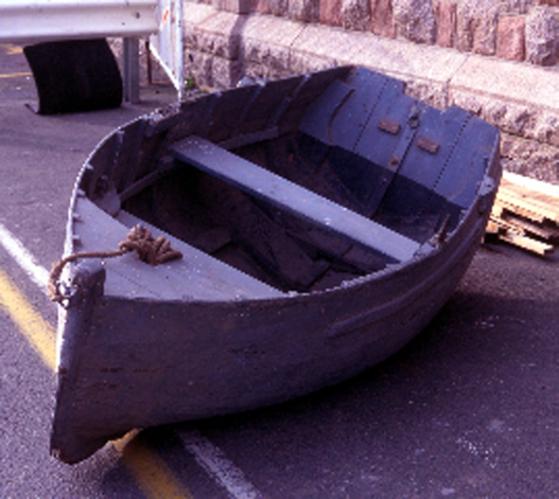
This story of the Ragamuffin was sent in a letter to Reg Little by the Jersey Museum who have also supplied the photograph of the boat and confirmed that it is still on display in the Jersey War Tunnels.
In 1940 Denis Vibert, a Jersey man, was 22 and during the German occupation planned to escape from his home on Jersey. He had returned there in 1937 after training for the Merchant Navy and service with the Blue Funnel Line.
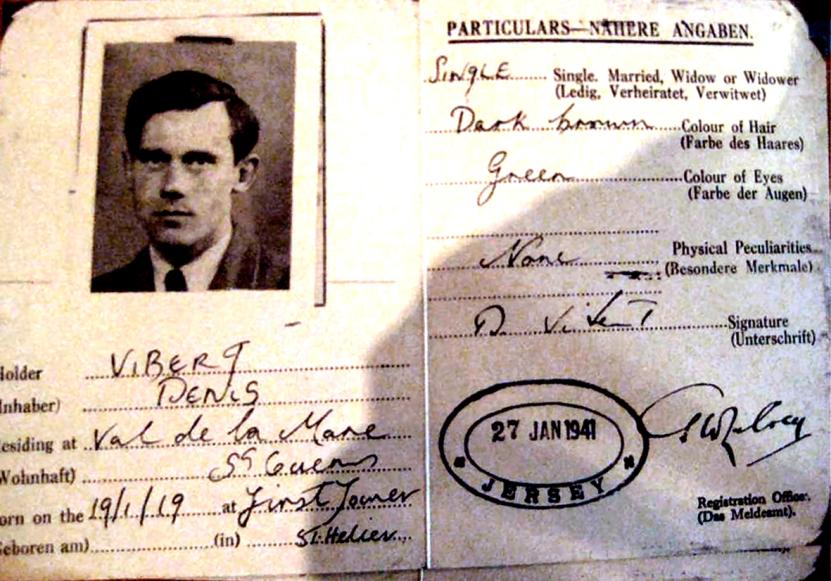
German occupation ID registration paper
In November 1940 he made his first attempt to escape. It was to be by rowing to England, and in view of the necessity of being out of sight of Jersey and Guernsey in daylight, he planned to row from Jersey to certain rocks south of Guernsey on the first night, with the intention of hiding there during the following day. This first part of the adventure was successful, but unfortunately the wind changed the next day and it was impossible to continue the journey the following night. He waited four days but the conditions did not change. During this time he developed influenza, and finally he decided to abandon the attempt and return to Jersey. The return was not uneventful as his boat was wrecked and he had to swim a quarter of a mile to shore. His absence had not been discovered by the Germans.
He spent the summer of 1941 preparing his 8ft rowing boat Ragamuffin. He added a couple of planks after steaming them using a kettle, to raise the freeboard. He also painted the boat grey to make it more difficult to be spotted from the air.
On the evening of Tuesday 21 September, he launched Ragamuffin from Bel Royal in St Aubin’s Bay before the Germans had completed building the anti-tank walls. He rowed the first four miles before using a small outboard motor and the ebb tide to head west. By dawn on the 22nd he was 15 miles west of Guernsey and changed course for Start Point. While trying to refuel his engine in a choppy sea, his fuel tank was contaminated by salt water and the engine rendered useless so it was a case of rowing northward. In the late afternoon of Thursday 23rd he feared that the tide had taken him too far west and so he altered his course more easterly. On Friday afternoon he spotted Portland Bill and as evening fell he was able to use his small sail for the first time in the hope of making Weymouth by Saturday 25th. Happily during the last dog watch on Friday 24 September, he was spotted by leading seaman F Troughton on board the Hunter class destroyer HMS Brocklesby and was picked up. It was calculated that he had covered a distance of 150 miles.
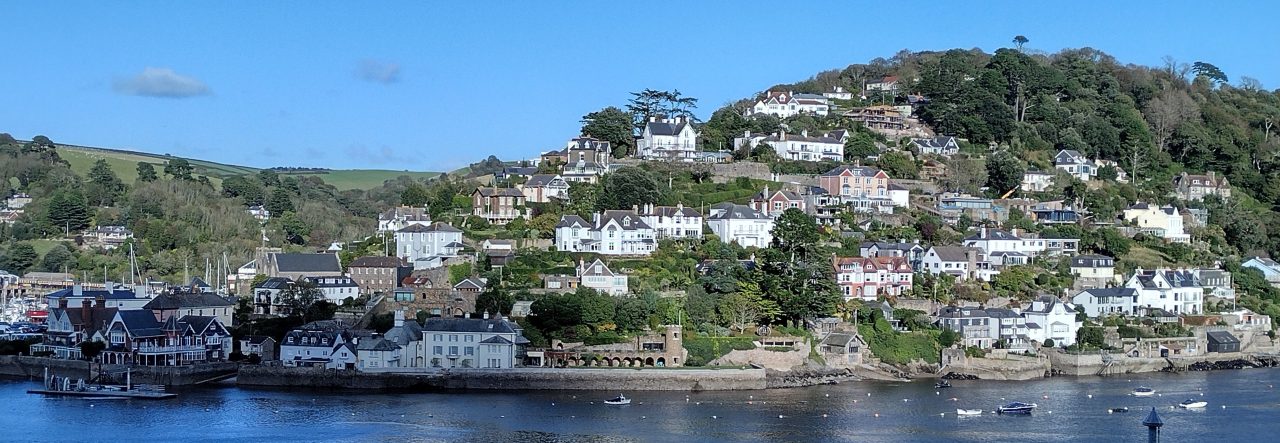
HMS Brocklesby continued her patrol and Denis and his boat were landed at Dartmouth where he was met by army police and naval intelligence and taken to Plymouth while Ragamuffin was taken to the Naval College.
Some time after his debriefing he went to pick up his boat and was charged ten shillings duty by Customs for having imported a boat worth £5 into England! The boat was then taken to Aldermarston before being brought back to Jersey. For a long time it was on show in the grounds of La Hougue Bie museum
For the rest of the war Denis served in the RAF in a Wellington bomber as part of the Atlantic Coastal Command. After the war, married to Ruth, he studied design in Quebec and then moved to Maine USA where he opened a successful pottery studio/workshop. He died there in 2004, aged 85.
A memorial service was held in Jersey. His tiny boat Ragamuffin was brought to the service and placed beside the pulpit with flowers from his wife being the only adornment. Ragamuffin was then loaned to the Jersey War Tunnels where it is on permanent display inside the reception building.
 Kingswear Historians